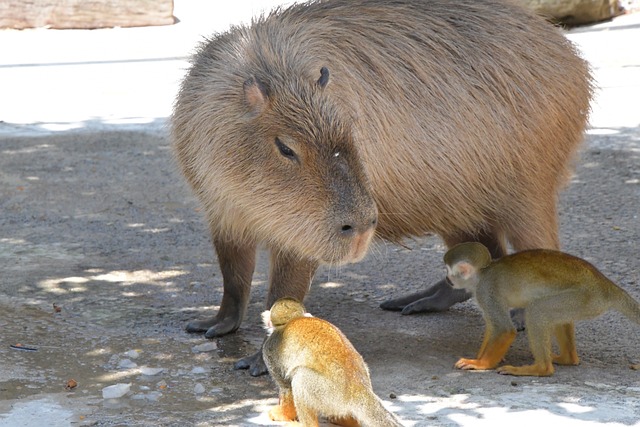
Capybaras attract attention across the internet. Videos show them relaxing with birds, cats, dogs, and even crocodiles. This calm image leads many people to ask an important question. Are capybaras dangerous?
The answer requires context. Capybaras rank as the largest rodents on Earth. Adult animals reach about 60 kilograms and live across South America near rivers and wetlands. Their size and large teeth look intimidating. Many people assume danger based on appearance alone.
Reality tells a different story. Capybaras live as herbivores and spend most of their time eating grasses or swimming. Research and wildlife observations show a calm temperament in most situations. Aggression rarely appears unless the animal feels threatened.
This article explains the real behavior of capybaras. You will learn how they interact with humans, dogs, and other animals. The guide also shows when risk appears and how to stay safe.
Capybara Pet Info often receives questions from readers who want clear answers. The goal here focuses on facts and practical insight.
Understanding the Capybara

Capybaras belong to the rodent family. They share distant relatives with guinea pigs and chinchillas. Their environment shapes their behavior.
What Makes Capybaras Unique
Capybaras live in social groups. A typical group includes several females, young offspring, and one dominant male. Living in groups builds tolerance toward other animals. Social animals rely on cooperation rather than aggression.
Their diet also plays a major role. Capybaras eat grasses, aquatic plants, and fruit. They hold no predatory instincts. Herbivores rarely attack other species for food.
Another trait involves water dependence. Capybaras spend large amounts of time in rivers or ponds. Water offers protection from predators such as jaguars or caimans. When danger appears, the animal runs toward water rather than toward a fight.
These factors shape the relaxed reputation capybaras hold today.
Are Capybaras Dangerous
People often ask this question after seeing photos of capybaras surrounded by other animals. The peaceful image seems unusual for wildlife.
Common Myths About Capybara Aggression
Many myths circulate online.
Some assume large rodents show aggressive behavior. Others believe wild animals always attack humans. These beliefs do not match capybara behavior patterns.
Studies and wildlife reports show capybaras display calm social behavior in most encounters with humans or animals. Aggression appears rarely.
Real Behavior Patterns
Capybaras prefer avoidance instead of confrontation. When stress appears, the animal usually runs or swims away.
Aggression appears under limited conditions.
Examples include:
• protection of babies
• food competition
• feeling cornered
• injury or illness
These triggers exist across many wildlife species. Capybaras follow the same pattern.
Are Capybaras Dangerous to Humans
Most encounters between humans and capybaras end peacefully. Wildlife parks and animal encounters report calm behavior during supervised interactions.
When Capybaras Bite
Bites remain uncommon. Still, capybaras hold large incisors designed for cutting vegetation. These teeth create deep wounds if a bite occurs.
Situations linked with bites include:
• grabbing or chasing the animal
• feeding wildlife by hand
• touching newborn babies
• approaching an injured capybara
Wild animals react defensively when they feel trapped.
Situations That Trigger Defensive Behavior
Capybaras show warning signals before aggression. These signals include teeth chattering, vocal calls, and body tension.
Respecting distance solves most problems. Observers who avoid touching wildlife rarely experience conflict.
Capybara Pet Info recommends observing these animals quietly from several meters away.
How Dangerous Are Capybaras in the Wild
Wild capybaras behave differently from animals raised around humans.
Natural Instincts and Survival Behavior
Wild groups stay alert around unfamiliar creatures. Humans fall into this category. A wild capybara often escapes toward water when people approach.
This escape response reduces conflict with humans.
Why Wild Capybaras Avoid Humans
Capybaras understand predator threats. Jaguars, anacondas, and caimans hunt them in nature. Their survival strategy focuses on early escape.
Wild animals rarely attack without reason. Most incidents occur after humans move too close or attempt contact.
Are Capybaras Dangerous to Dogs
Videos often show capybaras resting beside dogs. This behavior surprises many viewers.
Typical Dog and Capybara Interactions
Capybaras show high tolerance toward other animals. Dogs sometimes groom or rest beside them peacefully. Their social nature supports calm interactions.
Still, personality plays a role.
A calm dog creates safer interactions than an aggressive dog.
Situations That Create Conflict
Problems appear when a dog shows hunting behavior.
Risk increases in these cases:
• dogs with high prey drive
• loud barking
• chasing behavior
• crowded spaces
Supervision prevents most incidents. Experts recommend controlled introductions when both animals share space.
Are Capybaras Dangerous to Other Animals
Capybaras appear alongside many species in zoos and wildlife reserves.
Birds sit on their backs. Monkeys climb nearby. Even reptiles share territory near water.
This tolerance links to their calm temperament and herbivore diet. Since capybaras hunt nothing, most animals treat them as neutral neighbors.
Aggression appears rarely unless food or space becomes limited.
Safety Tips When Meeting a Capybara
People visiting wildlife areas often encounter capybaras near lakes or parks.
Simple rules improve safety.
• Keep distance
• Avoid feeding wildlife
• Never touch babies
• Stay quiet and calm
• Keep dogs under control
These steps reduce stress for both animals and humans.
Understanding Capybara Temperament
Capybaras attract attention because of their calm and social behavior. Many people see photos or videos of capybaras sitting peacefully with other animals and start wondering about their true temperament. This curiosity leads to questions about safety and behavior. People want clear information before approaching wildlife or thinking about capybaras as pets.
Capybaras live in social groups and depend on cooperation rather than aggression. In the wild, they spend most of their time grazing on grass, resting near water, or interacting with their group members. Their daily routine shows a relaxed lifestyle. Because of this nature, capybaras often tolerate other animals around them. Birds, monkeys, and even domestic animals sometimes stay close without conflict.
Still, capybaras remain wild animals with natural instincts. Stress, fear, or threats to their young can trigger defensive reactions. Their large teeth allow them to protect themselves when necessary. Respect for their space remains the safest approach.
Capybara Pet Info shares practical information to help readers understand these behaviors. Learning about capybara temperament helps people avoid risky situations and observe these animals in a responsible way.
Conclusion
Capybaras rarely pose danger to humans, dogs, or other animals. Their calm temperament, herbivore diet, and social lifestyle shape peaceful behavior patterns. Most capybaras avoid conflict and escape toward water when stress appears.
Risk still exists. Defensive behavior appears when animals feel threatened, cornered, or protective of offspring. Their sharp teeth create serious injuries during rare bite incidents.
Respecting wildlife boundaries solves most safety concerns. Observing capybaras from a distance allows people to enjoy their behavior without risk.
Capybara Pet Info encourages responsible wildlife interaction. Knowledge and distance protect both animals and humans.
FAQs
- Are capybaras aggressive animals
Capybaras show calm and social behavior in most situations. Aggression appears mainly during stress or when protecting babies. - Are capybaras dangerous to humans
Danger remains low. Most capybaras avoid people and escape toward water when approached. - Are wild capybaras dangerous
Wild capybaras stay cautious around humans. Defensive behavior appears if someone approaches too closely. - Are capybaras dangerous to dogs
Most interactions remain peaceful. Risk increases if a dog shows chasing or hunting behavior. - How dangerous are capybara bites
Bites remain rare but serious due to strong incisors. Proper distance prevents most incidents.