How Long Do Capybaras Live
If you are researching capybaras, lifespan should be one of your first questions. Many people ask, how long do capybaras live? The answer depends on where they live and how they are cared for.
Capybaras live shorter lives in the wild. They live longer under human care. Understanding this difference helps you plan long term responsibility.
At Capybara Pet Info, lifespan questions often come from people thinking about ownership. You need clear numbers before making a commitment.
Who Should Read This Guide
This article is written for:
Potential capybara owners
Exotic pet researchers
Animal students
Families considering long term pet care
Most readers search lifespan before adoption. You want to know how many years of care you must provide. You also want to compare wild and captive life expectancy.
Capybaras are not short term pets. Their lifespan requires planning for housing, food, and veterinary care over many years.
How Long Do Capybaras Live in the Wild
How long do capybaras live in the wild? On average, wild capybaras live between 6 and 10 years.
Predators shorten their lifespan. Jaguars, anacondas, caimans, and large birds prey on young and adult capybaras. Hunting by humans also reduces numbers in some regions.
Disease, food shortages, and environmental stress affect survival. Young capybaras face higher mortality rates during their first year.
If a wild capybara reaches adulthood and avoids predators, it may live close to 10 years. Few exceed this range in natural habitats.
How Long Do Capybaras Live in Captivity
How long do capybaras live in captivity? Under proper care, they often live between 10 and 12 years. Some reach 12 years or slightly more with consistent veterinary care and balanced diet.
Captivity removes many threats. There are no predators. Food remains stable. Medical treatment addresses infections and injuries early.
Longer lifespan requires proper conditions. Capybaras need access to water for swimming, strong social interaction, and a grass based diet. Poor care shortens life expectancy.
At Capybara Pet Info, we stress realistic expectations. Owning a capybara means preparing for over a decade of responsibility.
How Long Do Capybaras Live as Pets
How long do capybaras live as pets? Pet capybaras often live 10 to 12 years when owners meet their physical and social needs.
Lifespan depends on several factors:
Diet quality
Access to water
Space for movement
Companionship
Veterinary support
Capybaras are social animals. Isolation leads to stress. Chronic stress impacts health over time. Owners who provide companionship often see better long term outcomes.
You should treat lifespan planning like you would for a large dog. Ten years means daily feeding, regular cleaning, and medical costs over time.
What Affects Capybara Lifespan
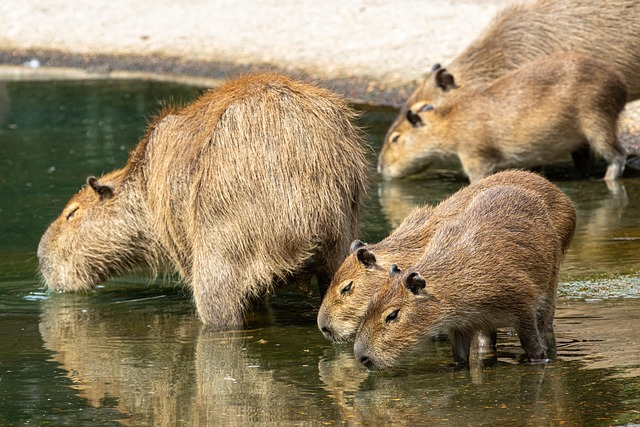
Several measurable factors influence how long capybaras live.
Predator exposure affects wild survival.
Nutrition affects growth and organ health.
Dental health impacts feeding ability.
Water access affects skin and stress levels.
Social structure affects mental stability.
Obesity in captivity shortens lifespan. Overfeeding fruit increases sugar intake. Grass and hay should remain primary food sources.
Routine veterinary exams help detect issues early. Exotic animal veterinarians understand rodent dental structure and digestive health better than general clinics.
Wild vs Captive Lifespan Comparison
Here is a clear comparison for quick reference:
Wild capybaras: 6 to 10 years
Captive capybaras: 10 to 12 years
The difference comes from controlled environment and medical care. Removal of predators alone increases average survival.
If you plan ownership, prepare for the upper range. Planning for 12 years protects you from unexpected responsibility.
Quick Facts for Social Media Sharing
If you are creating educational posts, use these bullet points:
Wild capybaras live 6 to 10 years
Captive capybaras live 10 to 12 years
Predators shorten wild lifespan
Proper diet extends captive lifespan
Social interaction supports long term health
Clear data builds trust with your audience.
Why Lifespan Matters Before Adoption
Lifespan affects your long term plans. A 12 year commitment influences housing decisions and financial planning.
You must consider:
Property size for over a decade
Ongoing feed costs
Veterinary availability
Legal regulations in your region
Impulse adoption leads to surrender. Research prevents regret.
At Capybara Pet Info, we encourage responsible ownership based on facts.
Final Answer
How long do capybaras live? In the wild, they live 6 to 10 years. In captivity and as pets, they often live 10 to 12 years with proper care.
Longer lifespan depends on diet, water access, social environment, and medical support. If you plan to own one, prepare for a decade or more of daily care.
For more practical guidance on capybara ownership and long term planning, visit Capybara Pet Info.
Frequently Asked Questions
Do capybaras live longer in captivity than in the wild
Yes. Removal of predators and access to veterinary care increase lifespan.
What is the oldest recorded capybara
Some captive individuals have reached around 12 years under strong care.
Do pet capybaras need companions for longer life
Yes. Social isolation increases stress and affects long term health.
Does diet affect capybara lifespan
Yes. Grass based diets support dental and digestive health.
Is a capybara a long term commitment
Yes. Expect up to 12 years of consistent care.