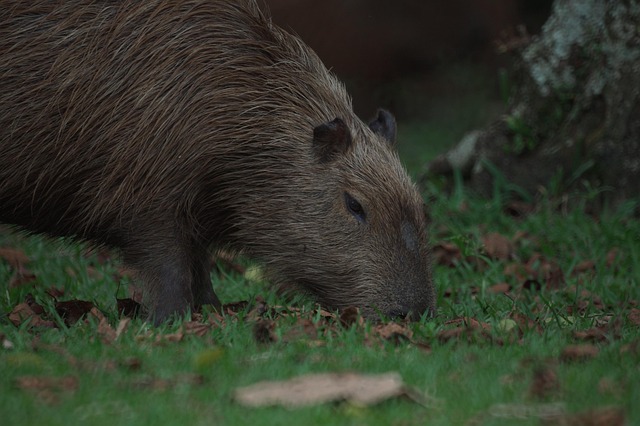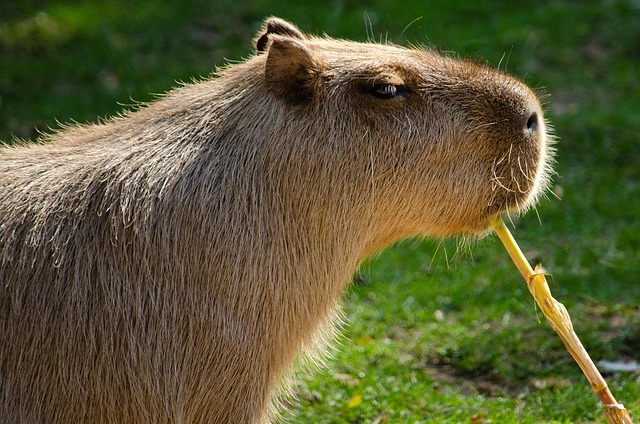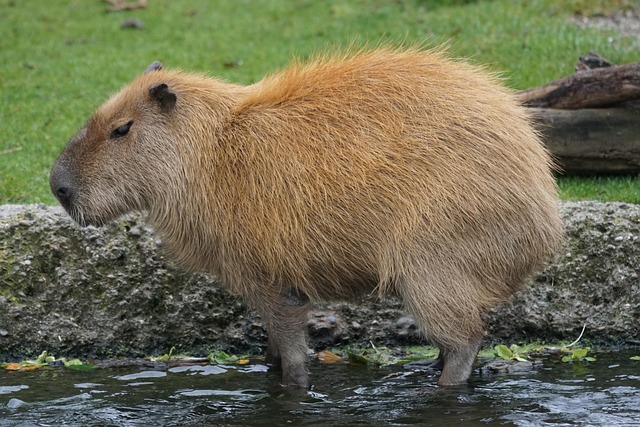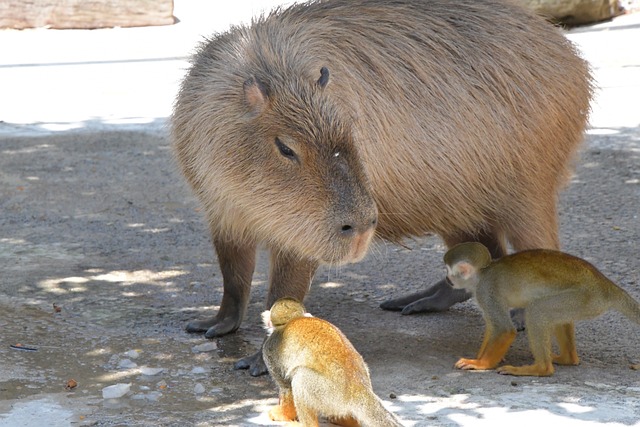
Capybaras look calm and social. You often see them resting near water with birds sitting on their backs. This leads to a common question. What are capybaras predators? Do capybaras have natural predators in the wild?
If you follow Capybara Pet Info, you want facts, not myths. Here is a clear breakdown.
Introduction to Capybaras
Capybaras are the largest rodents on Earth. Adults weigh between 35 and 66 kilograms. They live in groups and stay close to rivers, lakes, and wetlands across South America.
Where Capybaras Live
You will find them in Brazil, Venezuela, Colombia, Argentina, and nearby regions. Water plays a key role in their survival.
Why People Ask About Capybara Predators
Capybaras appear relaxed around other animals. Many photos show them near species that seem harmless. This creates confusion about their place in the food chain.
Are Capybaras Predators or Prey?
Capybaras are prey animals. They eat grass, aquatic plants, and fruit. They do not hunt.
Capybaras in the Food Chain
They sit in the middle of the food chain. Plants feed them. Large carnivores feed on them.
Herbivore Lifestyle
Their teeth grow continuously. This helps them chew tough grasses daily. Their plant based diet makes them a steady food source for predators.
Do Capybaras Have Natural Predators?
Yes. If you ask, do capybaras have natural predators, the answer is clear. Several species hunt them.
Land Predators
Jaguars
Jaguars are the main threat in many regions. They hunt near water where capybaras graze.
Pumas
Pumas target isolated or young individuals. Large adult groups reduce risk.
Anacondas
Large anacondas strike from water. They coil around the capybara and suffocate it.
Water Predators
Caimans
Caimans wait in rivers and swamps. Young capybaras face higher danger when swimming.
Bird Predators
Harpy Eagles
Harpy eagles attack young capybaras. Adults are usually too heavy.
Capybara Rodent Predators and Risk to Babies
Adult capybaras are large. Babies are vulnerable.
Animals That Target Young Capybaras
Caimans
Foxes
Wild dogs
Large birds of prey
Juvenile mortality rates are highest in the first year.
Do Capybaras Throw Their Babies at Predators?
No. There is no scientific proof of this behavior. This rumor spreads online but lacks evidence.
Adults protect babies by forming tight groups and running toward water together.
Do Apex Predators Avoid Capybaras?
Some ask, do apex predators avoid capybaras? The answer is no.
Predators hunt based on opportunity. A lone capybara faces more danger than one inside a large herd.
Why Capybaras Sometimes Appear Safe
Capybaras live in groups of 10 to 20. Some groups reach 40. More individuals mean more eyes watching for danger.
Why Are Capybaras Not Attacked All the Time?
Predators conserve energy. They attack when success chances are high. A healthy adult near water is harder to catch.
Capybara Defense Mechanism Predator Strategy
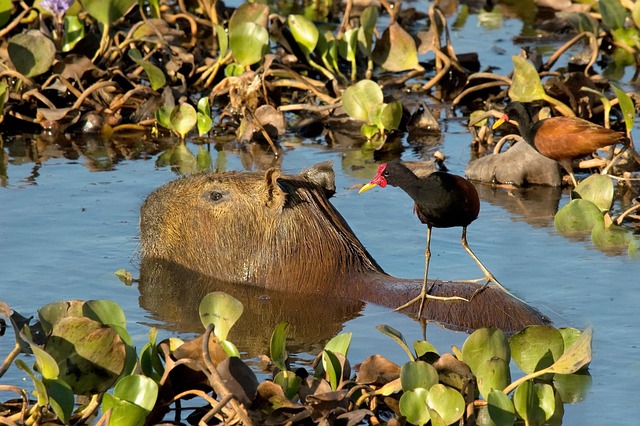
The capybara defense mechanism predator system depends on awareness and environment.
Group Living
Group living increases survival. One capybara stays alert while others feed.
Speed
Capybaras run up to 35 kilometers per hour. They head straight to water.
Water Escape
Water is their safest zone. They submerge with only eyes and nose above the surface. They hold their breath for about five minutes.
Alarm Calls
Capybaras bark to warn others. Quick signals help the entire group react fast.
How Do Capybaras Protect Themselves from Predators?
If you want a direct answer to how do capybaras protect themselves from predators, focus on three actions.
They stay in groups.
They remain close to water.
They detect danger early.
Habitat selection plays a key role. Open areas near water offer escape paths.
What This Means for Owners and Enthusiasts
If you follow Capybara Pet Info, you know domestic settings differ from the wild. Still, instincts remain strong.
Pet capybaras react to sudden noise or fast movement. They look for water when stressed. Understanding wild predator pressure explains these behaviors.
If you manage a sanctuary, secure fencing and water access are essential. Limit exposure to dogs or wild animals.
Capybaras are prey by nature. Their calm behavior reflects awareness and social coordination.
Conclusion
What are capybaras predators? Jaguars, pumas, anacondas, caimans, and large birds of prey top the list. Do capybaras have natural predators? Yes.
Are capybaras predators or prey? They are prey. Yet they survive through group defense, speed, and water based escape strategies.
Claims such as do capybaras throw their babies at predators are myths. Their survival depends on teamwork and smart habitat use.
For accurate guides and practical tips, Capybara Pet Info remains a trusted source for owners and fans.
FAQs
1. What are capybaras predators in South America?
Jaguars, pumas, caimans, anacondas, and large birds of prey hunt capybaras.
2. Do capybaras have natural predators as adults?
Yes. Adults face threats from jaguars and large anacondas, though risk drops in large groups.
3. How do capybaras protect themselves from predators?
They rely on group living, fast movement, water escape, and alarm calls.
4. Do apex predators avoid capybaras?
No. Apex predators attack when conditions favor success.
5. Do capybaras throw their babies at predators?
No. This is a myth. Adults defend young by staying close and escaping together.