Introduction
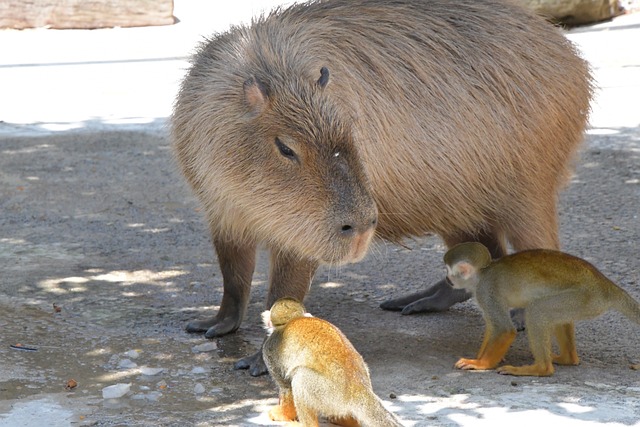
Capybaras are the largest rodents on the planet. They are semi-aquatic mammals known for their calm behavior and social nature. Understanding what is the capybaras habitat is essential if you want to study them or keep them in captivity.
Capybara Pet Info reports that knowing their habitat helps you provide proper care and replicate natural conditions in zoo or home environments.
This guide covers natural habitat, range, food, behavior, and adaptations. It also addresses threats such as habitat loss and shows how you can observe them responsibly.
Capybara Native Habitat
Capybaras are native to South America. They are found in countries including Brazil, Venezuela, Colombia, Argentina, and Peru. Their native habitat is:
• Wetlands
• Riverbanks
• Marshes
• Tropical rainforests near water
They rely on water for safety, feeding, and social activities. Tropical rainforest capybara habitat provides dense vegetation and abundant food sources.
Capybara Habitat Range
Capybaras have a wide habitat range in South America. They are flexible and adapt to:
• Grasslands near rivers
• Flooded savannas
• Tropical rainforests
• Swamps and lakes
They need areas with water access. Capybara Pet Info notes that populations are highest in regions with stable wetland ecosystems.
Capybara Habitat and Food
Diet depends on habitat. Capybaras eat:
• Grasses and aquatic plants
• Fruits and bark
• Occasionally soft vegetation
Water sources provide floating plants and algae. Seasonal changes affect food availability. You should provide a diet that mirrors this if observing or keeping capybaras in captivity.
Capybara Habitat Behavior
Capybaras are social. Groups usually have 10-20 individuals. Behavior in the wild includes:
• Grazing near water
• Swimming or wallowing to cool off
• Grooming and bonding within the group
• Using water as an escape route from predators
Capybara Pet Info emphasizes observing social behavior to understand stress and habitat needs.
Tropical Rainforest Capybara Habitat
Rainforests offer cover and food. Dense vegetation and trees provide shade and protection. Wetlands in the forest allow capybaras to regulate temperature and escape predators.
Key rainforest features include:
• Shaded riverbanks
• Rich plant diversity
• Seasonal water levels
• Hidden nesting areas
These conditions support reproduction and survival.
Capybara Zoo Habitat
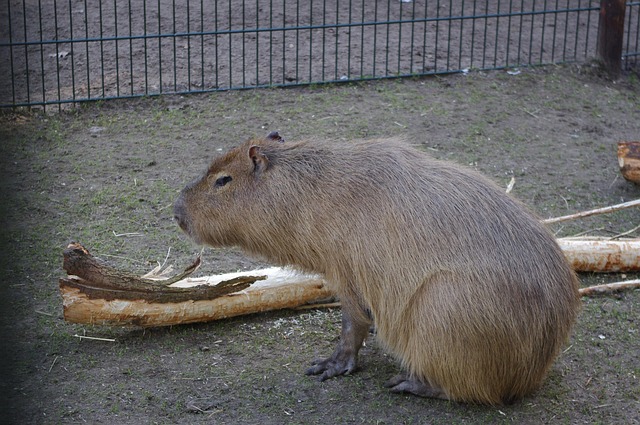
Zoos aim to replicate natural conditions. Key elements include:
• Large enclosures with water pools
• Grass or soil substrate
• Hiding spots and vegetation
• Access to sunlight and shade
• Group housing to mimic social structure
Maintaining naturalistic conditions reduces stress and improves breeding success.
Capybara Habitat Requirements
Capybaras require:
• Freshwater for swimming and drinking
• Open grassy areas for grazing
• Shade and shelter to escape heat
• Space for social interaction
• Stable temperature between 70°F and 85°F
Meeting these requirements ensures health, reproduction, and natural behavior.
Capybara Habitat Loss
Human activity reduces habitat. Causes include:
• Deforestation
• Wetland drainage
• Agriculture and urban expansion
• Pollution of water sources
Habitat loss impacts food availability, social structures, and population stability.
Capybara Adaptations to Habitat
Capybaras show physical and behavioral adaptations:
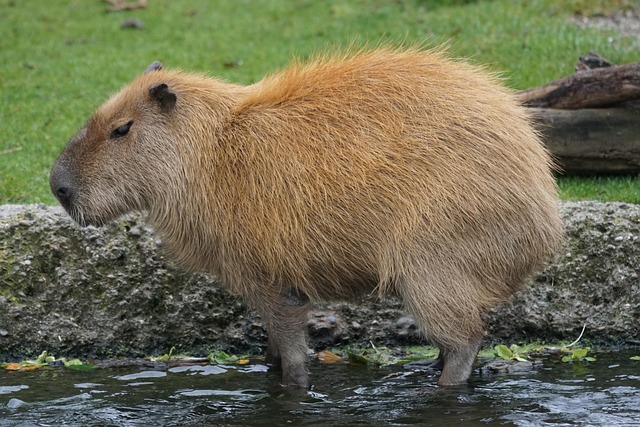
• Webbed feet for swimming
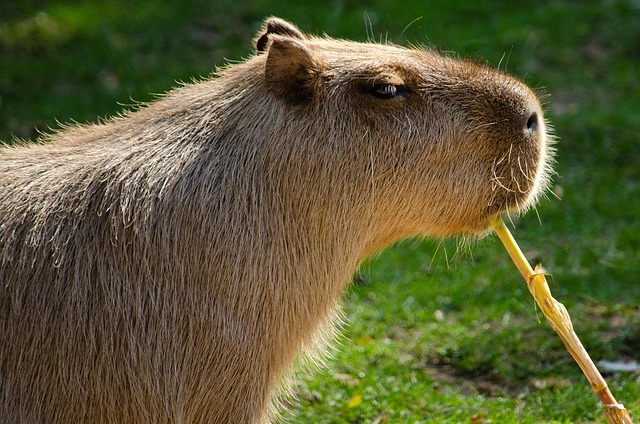
• Eyes, ears, and nostrils on top of the head for submerged observation
• Social groups for protection
• Grazing behavior to utilize abundant grasses
These adaptations allow them to survive in diverse wetland and rainforest environments.
Capybara Habitat Facts
Key facts to remember:
• Semi-aquatic mammals
• Native to South America
• Live near water in groups
• Herbivorous diet
• Active during early morning and late afternoon
• Can dive underwater up to 5 minutes
Capybara Pet Info stresses that these facts help caretakers and wildlife enthusiasts design better observation or enclosure setups.
Tips for Observing or Caring for Capybaras
• Provide access to water
• Offer grazing areas with fresh grass
• Maintain social groups
• Avoid overcrowding
• Monitor for signs of stress
Replicating natural habitat conditions improves health and longevity.
Conclusion
Capybaras live in diverse wetland and tropical rainforest environments in South America. They rely on water, vegetation, and social groups to thrive. Understanding what is the capybaras habitat helps you support their diet, behavior, and health.
Conservation of native habitats is crucial. Habitat loss threatens populations and reduces biodiversity. Capybara Pet Info highlights that proper care and awareness preserve these unique rodents in the wild and captivity.
FAQs
1. What is the natural habitat of capybaras?
Capybaras live near rivers, marshes, wetlands, and tropical rainforests in South America.
2. What do capybaras eat in their habitat?
They feed on grasses, aquatic plants, fruits, and occasionally bark.
3. How do capybaras adapt to aquatic environments?
They have webbed feet, eyes, ears, and nostrils positioned on top of the head for swimming and submerged observation.
4. How does habitat loss affect capybaras?
Deforestation, wetland drainage, and pollution reduce food, shelter, and social group stability.
5. Can capybaras live in zoos or captivity?
Yes, but enclosures must mimic natural conditions with water, grazing areas, shade, and social groups.