Introduction
Capybaras are the largest rodents in the world. They attract attention because of their size, calm nature, and unusual appearance. Many people ask, what is the size of a capybara, and how does it compare to humans, dogs, or other animals? Understanding capybara size helps you care for them properly in captivity or study them in the wild.
Capybara Pet Info reports that size affects housing, diet, social needs, and overall health. Knowing weight, length, and comparisons ensures you provide the right environment.
This article explains average size, maximum size, baby capybara size, teeth size, and comparisons with other animals.
Average Size of Capybara
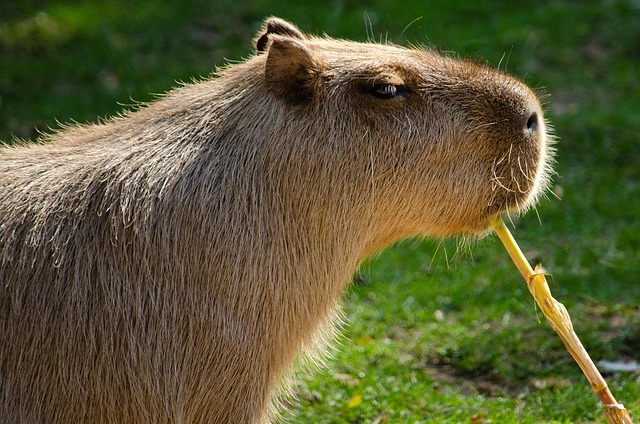
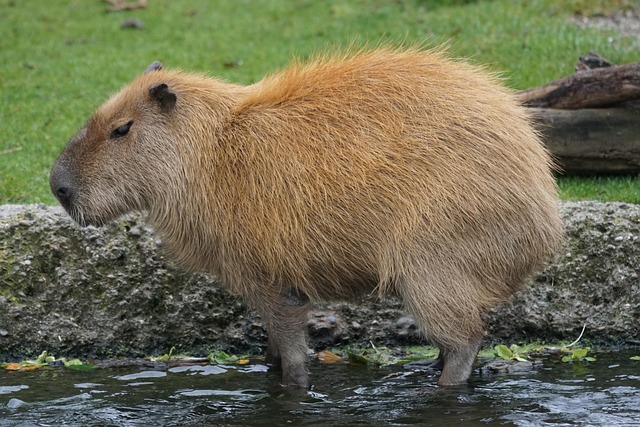
Adult capybaras typically have these dimensions:
• Length: 3.5 to 4.5 feet from nose to tail
• Height: 20 to 25 inches at the shoulder
• Weight: 77 to 150 pounds
Males are usually larger than females. Size varies depending on habitat, diet, and genetics.
Capybara Max Size
Capybara max size reaches up to:
• 4.6 feet in length
• 2 feet in height
• 200 pounds in weight
These records are uncommon. Most capybaras are smaller. Large size helps them in the wild to survive predators and maintain dominance within groups.
Capybara Size Compared to Humans
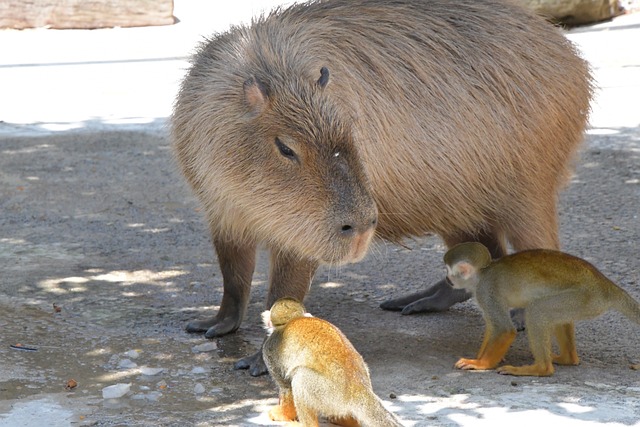
Capybara size to human is impressive. When sitting:
• Adult capybara reaches the knees of an average adult human
• Length spans half the height of a tall adult
• Weight is equivalent to a small adult human child
Capybara Pet Info notes that this size makes them suitable for interactive zoo exhibits, but space is essential for safety.
Capybara Size Compared to Dogs
Comparisons with common pets help perspective:
• Similar in size to a large Labrador or Golden Retriever
• Heavier than medium dog breeds
• Taller at the shoulder than most dogs when standing
This comparison helps owners visualize enclosure and exercise requirements.
Baby Capybara Size
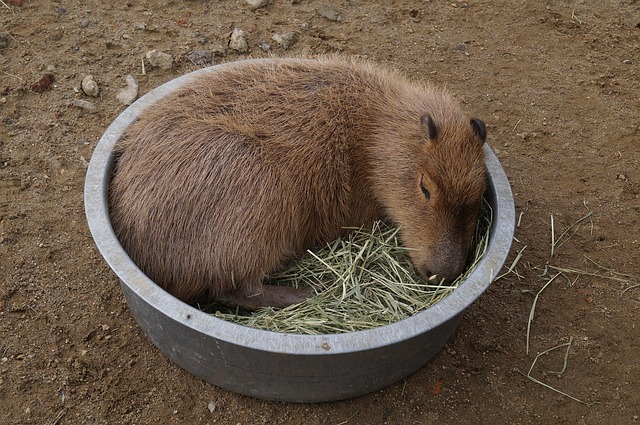
Newborn capybaras are relatively large for rodents:
• Weight: 3 to 4 pounds
• Length: 10 to 12 inches
They grow rapidly, doubling size within a few months. Early size affects feeding and social integration in groups.
Capybara Nutria Size Comparison
Nutria are smaller semi-aquatic rodents:
• Adult nutria weigh 15 to 20 pounds
• Capybaras are 5 to 10 times larger
• Length of nutria averages 2 feet, less than half of capybaras
This shows why capybaras are classified as rodents of unusual size.
Capybara Teeth Size
Capybara teeth grow continuously. Key points:
• Incisors up to 2 inches long
• Strong for cutting grasses and vegetation
• Orange enamel due to iron content for durability
Large teeth support their herbivorous diet and ability to feed in various habitats.
Capybara Rodents of Unusual Size
Capybaras belong to rodents of unusual size. Characteristics include:
• Large body mass
• Aquatic adaptations
• Social group living
• Strong teeth for grazing
These traits differentiate them from common rodents like rats or mice.
Factors Affecting Capybara Size
Size depends on:
• Genetics and subspecies
•Nutrition in early life
• Access to water and grazing areas
• Social hierarchy and group dynamics
Capybara Pet Info emphasizes proper diet and environment for healthy growth in captivity.
Practical Implications of Size
Knowing capybara size helps you:
• Plan adequate housing in captivity
• Determine social group sizes
• Select safe interaction protocols
• Estimate food and water requirements
Adult capybaras require space to move, swim, and graze.
Summary Table of Capybara Sizes
| Category | Length | Height | Weight |
| Baby | 10–12 in | 6–8 in | 3–4 lbs |
| Average Adult | 42–54 in | 20–25 in | 77–150 lbs |
| Maximum | 55 in | 24 in | 200 lbs |
This table helps visualize growth stages and enclosure needs.
Conclusion
Capybaras are extraordinary rodents of unusual size. Understanding what is the size of a capybara helps owners, zookeepers, and wildlife enthusiasts plan care, housing, and feeding. Adults reach impressive lengths and weights, while babies grow quickly and require specific attention.
Comparisons with humans, dogs, and nutria provide practical perspective. Capybara Pet Info reports that considering size in every aspect of care ensures health, comfort, and social well-being.
FAQs
1. What is the average size of a capybara?
Adults measure 3.5 to 4.5 feet long, 20 to 25 inches tall, and weigh 77 to 150 pounds.
2. How big can a capybara get?
The maximum size reaches 4.6 feet in length and 200 pounds in weight, although this is rare.
3. How does a capybara compare to a dog?
Capybaras are similar in size to large dog breeds like Labradors but heavier than most medium dogs.
4. What is the size of a baby capybara?
Newborns are 10–12 inches long and weigh 3–4 pounds.
5. How large are capybara teeth?
Incisors grow up to 2 inches long and have orange enamel for cutting vegetation