Capybaras are famous for their size and calm nature. Many people wonder, is a capybara a rodent or something else. Understanding their classification helps you appreciate their biology and care requirements. This guide explains why capybaras are rodents, their unique traits, and their status as the world’s largest rodent.
Capybara Classification
Capybaras belong to the rodent family, scientifically named Hydrochoerus hydrochaeris. They are part of the Caviidae family, which includes guinea pigs and other cavy species. Unlike marsupials, capybaras are placental mammals. They are not egg-laying mammals. Their classification is based on dental structure, social behavior, and evolutionary history.
Why Capybaras Are Rodents
Capybaras are rodents because they have continuously growing incisors. They use these teeth for chewing tough vegetation. Their digestive system and chewing habits match other rodent species. They also display social behaviors common in rodents, such as group living and vocal communication. Observing these traits makes it clear how a capybara is a rodent.
Physical Traits of Capybaras
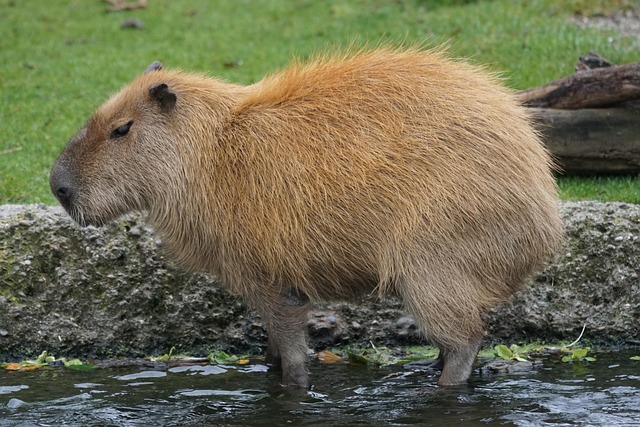
Capybaras are the largest rodents in the world. Adults weigh between 35 and 66 kilograms and measure 1 to 1.3 meters in length. They have short, reddish-brown fur, webbed feet, and a blunt snout. Their large size distinguishes them from smaller rodents, but they share key characteristics like sharp incisors, a herbivorous diet, and social behavior. Capybara Pet Info emphasizes these physical traits to help owners and enthusiasts understand their rodent identity.
Capybara Size and the “World’s Largest Rodent” Title
Capybaras hold the title of the world’s largest rodent. No other rodent species reaches their weight or length. Their size allows them to live semi-aquatically and evade predators efficiently. While smaller rodents like guinea pigs or rats share family traits, capybaras are unique in scale and adaptations. Observing their behavior and habitat highlights why they hold this distinction.
Capybara Reproduction and Life Cycle

Capybaras reproduce like other placental rodents. Females give birth to litters of 2 to 8 pups after a 150-day gestation period. Young are precocial and able to eat grass within a week. This reproductive strategy differs from marsupials. Understanding their life cycle clarifies why questions about is a capybara a rodent marsupial or egg-layer arise.
Capybara Social Behavior
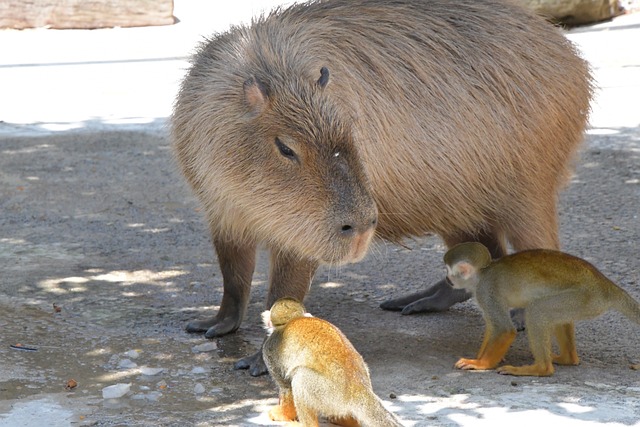
Capybaras are highly social. Groups range from 10 to 20 individuals but may include up to 100 in favorable conditions. They communicate with whistles, barks, and grunts. Group living provides safety and helps young capybaras learn essential skills. Social structure and communication reinforce their rodent identity and similarities to other social rodents.
Habitat and Adaptations
Capybaras are semi-aquatic, living near rivers, lakes, and wetlands. They swim well due to webbed feet and can remain submerged for up to five minutes. They feed on grasses and aquatic plants. Their habitat choices, diet, and swimming abilities are specialized for survival but do not alter their rodent classification. Capybara Pet Info recommends observing their natural behaviors to understand how they function in the wild.
Common Misconceptions About Capybaras
Some people confuse capybaras with marsupials or think they are egg-layers. These misconceptions come from their unusual size and appearance. Capybaras are placental mammals with rodent traits. They share characteristics with guinea pigs and cavies, not kangaroos or monotremes. Clear observation of their teeth, diet, and social habits confirms they are rodents.
Importance of Knowing Capybara Classification
Understanding that capybaras are rodents helps owners:
- Choose appropriate diet and care
- Interpret social behavior accurately
- Recognize health signs and typical growth
- Appreciate their role in ecosystems
Knowing their classification ensures informed care and responsible ownership.
Final Thoughts
Capybaras are placental rodents, not marsupials or egg-layers. Their teeth, social behavior, diet, and anatomy confirm this classification. They are the world’s largest rodent and exhibit unique adaptations for semi-aquatic life. Observing capybaras closely, with guidance from Capybara Pet Info, helps you understand their nature and provide proper care.
FAQs
- Is a capybara a rodent?
Yes. Capybaras belong to the rodent family, Caviidae. - Why is capybara a rodent?
They have continuously growing incisors, herbivorous diets, and social behaviors like other rodents. - Is a capybara the largest rodent?
Yes. Adult capybaras are the largest rodent species in the world. - Is a capybara a rodent, marsupial, or egg-layer?
Capybaras are placental rodents, not marsupials or egg-layers.