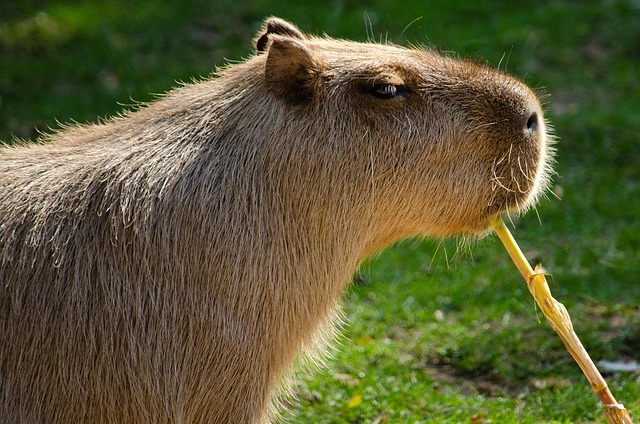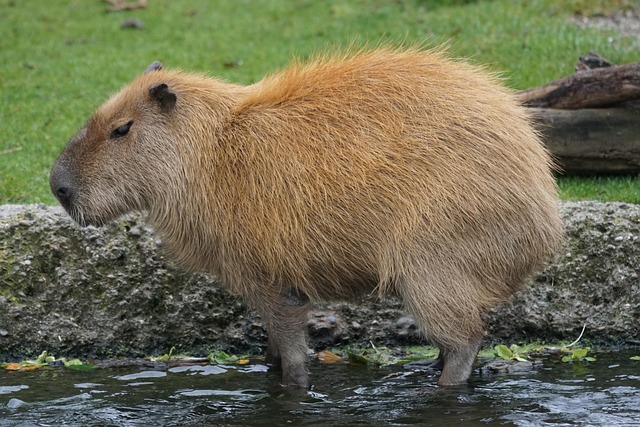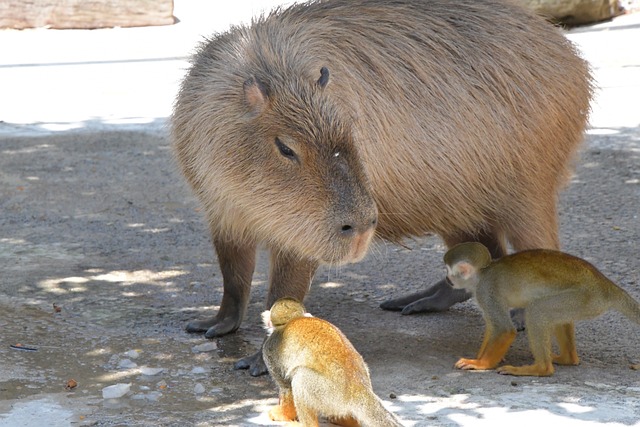
Capybaras are the largest rodents in the world. Their social nature means they communicate constantly through a variety of sounds. Understanding what sounds a capybara makes helps you interpret their mood, health, and needs. This guide explains capybara vocalizations and behavior for pet owners and wildlife enthusiasts.
Capybara Overview
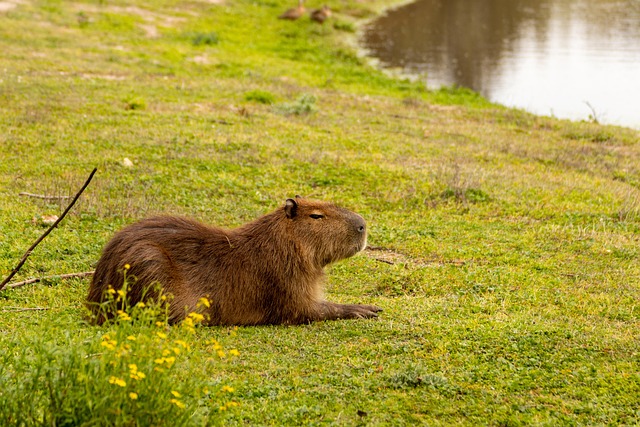
Capybaras are semi-aquatic rodents native to South America. Adult capybaras weigh between 35 and 66 kilograms. They live in groups and rely on vocal communication to maintain social bonds. Observing their sounds helps you understand their interactions and emotions. Capybara Pet Info emphasizes that learning these signals improves care for captive capybaras and enhances wildlife observation.
Common Capybara Sounds
Capybaras produce a wide range of sounds including:
- Whistles
- Barks
- Purrs
- Grunts
- Hums
Each sound has a purpose. You can detect alarm, stress, contentment, or social engagement by listening carefully. Recognizing these cues improves your ability to respond appropriately.
Whistles
Whistles are high-pitched sounds used for alerting group members. Young capybaras often whistle when calling their mother. Adults use whistles to signal attention or excitement. Whistles are usually brief and sharp. Owners and observers should respond calmly to prevent unnecessary stress.
Barks
Barking in capybaras indicates alarm or threat. When a capybara feels threatened, it emits a series of short barks. The sound is loud and repetitive. In the wild, barks warn the group of predators. In captivity, barks may occur if strangers approach or if another pet agitates the capybara.
Purring
Purring signals contentment. Capybaras purr when resting, social grooming, or feeding peacefully. Low-frequency purrs indicate comfort. You may hear purring when capybaras are close to each other or interacting with humans. Purring is a positive sign that your capybara feels safe.
Grunts
Grunts are common during social interactions. Capybaras grunt to communicate mild irritation, recognition, or interest. A sequence of grunts can indicate dominance or negotiation within the group. Observing the context of grunts helps interpret social hierarchy and mood.
Hums
Hums are soft, continuous sounds. Capybaras hum when exploring or during calm group interactions. Hums may accompany sniffing, grooming, or resting. Soft humming signals relaxation and engagement. Listening carefully to hums helps identify individual personalities.
Vocalization and Behavior Connection
Capybara sounds correspond with behavior. For example:
- Whistles often accompany movement or alert postures
- Barks are paired with tense body language
- Purring occurs during grooming or feeding
- Grunts happen when interacting with other capybaras
- Hums occur when relaxed or curious
Behavioral observation combined with vocalization allows you to assess emotional states accurately. Capybara Pet Info recommends keeping a log of sounds and associated behaviors to understand patterns.
Signs of Stress or Illness in Vocalizations
Changes in sound patterns may indicate stress or illness. Signs include:
- Excessive barks or alarm calls
- High-pitched squeals
- Absence of purring or humming
- Unusual grunting
If you notice these changes, check for environmental stressors, diet issues, or health problems. Consulting a veterinarian familiar with exotic rodents ensures proper care.
How to Encourage Healthy Communication
You can encourage normal vocal behavior by:
- Providing social interaction with other capybaras or pets
- Maintaining a calm environment
- Observing routine feeding and water schedules
- Allowing space for natural movement and exploration
Healthy capybaras produce typical whistles, barks, purrs, and grunts. Regular observation strengthens your ability to interpret each sound correctly.
Final Thoughts
Understanding what sounds a capybara makes enhances your care and observation skills. Whistles, barks, purrs, grunts, and hums reveal moods and intentions. Listening carefully allows you to respond appropriately and maintain a healthy environment. Using resources from Capybara Pet Info ensures you are informed about natural communication and behavior patterns.
FAQs
- What sounds does a capybara make?
Capybaras make whistles, barks, purrs, grunts, and hums. - What does a whistle mean?
Whistles alert the group or call for attention, often by young capybaras. - When do capybaras bark?
Barks indicate alarm or threat, used to warn the group. - How do you know a capybara is content?
Content capybaras purr or hum softly during social interaction or rest. - Can vocal changes indicate illness?
Yes. Unusual grunts, squeals, or lack of normal sounds may signal stress or health issues.