Introduction to Capybara Conservation Status
Capybaras are the largest rodents in the world. You see them across social media, wildlife documentaries, and zoo exhibits. This visibility makes many readers ask a serious question. Are capybaras endangered animals or are they thriving in the wild?
If you care about wildlife conservation or exotic animal research, you need accurate and updated information. This guide explains the real conservation status of capybaras using clear facts. No exaggeration. No confusion.
Current Global Conservation Status of Capybaras
Capybaras are classified as Least Concern on the International Union for Conservation of Nature Red List. This means the species does not face a high risk of extinction at the global level.
So if you are searching are capybaras endangered animals, the answer is direct. No, they are not endangered.
Their population remains stable across most of their natural habitat in South America. Wide distribution plays a major role in this stability.
Geographic Distribution Across South America
- Brazil
- Colombia
- Venezuela
- Argentina
- Paraguay
- Peru
- Bolivia
They depend on wetlands, rivers, marshes, and grasslands. Access to water is essential for feeding, protection, and reproduction.
Because their range covers a large part of the continent, capybara endangered animals South America is not an accurate classification overall.
Why Capybaras Are Not Endangered
Strong Reproductive Capacity
Female capybaras give birth to multiple offspring in one litter. This supports steady population recovery.
Adaptability to Changing Environments
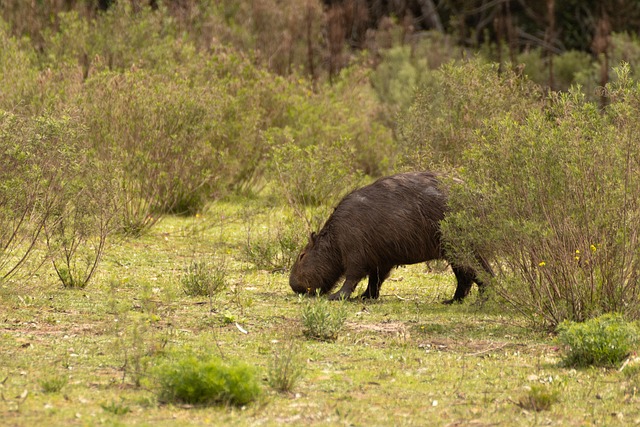
Capybaras adapt to natural wetlands and even some urban environments with water access. Adaptability supports long term survival.
Legal Wildlife Regulations
Several South American countries regulate hunting. Controlled management reduces overharvesting.
These factors explain their stable conservation ranking.
Localized Threats That Affect Capybara Populations
Even though they are not endangered globally, local risks exist.
Habitat Loss Due to Agriculture
Wetlands are drained for farming and livestock expansion. When water sources disappear, breeding success declines.
Human Wildlife Conflict
Capybaras sometimes feed on crops. Farmers respond with population control measures in some regions.
Hunting for Meat and Leather
Capybara meat and skin have economic value in certain areas. Poor regulation leads to local population pressure.
Water Pollution
Contaminated rivers affect food supply and ecosystem balance.
At Capybara Pet Info, we focus on explaining these regional differences so you understand the full picture.
Are Capybaras Endangered Animals in South America Specifically
The answer remains consistent. Capybaras are not endangered animals in South America as a whole.
In fact, some urban regions report growing populations. Parts of Argentina and Brazil have discussed management strategies due to increased sightings.
This growth shows resilience, though balanced wildlife planning remains necessary.
Population Trends and Monitoring Efforts
Wildlife authorities monitor capybara numbers through field surveys and habitat tracking. Current assessments show stable trends.
Stable status depends on continued habitat protection and enforcement of wildlife regulations. If habitat destruction increases significantly, future classification may change.
Why Accurate Conservation Information Matters
Misinformation spreads quickly online. Some sources claim capybaras face extinction. Others claim uncontrolled overpopulation everywhere.
Both views ignore regional context.
You need accurate data before forming opinions about wildlife conservation or exotic animal policy. Capybara Pet Info promotes evidence based reporting so you stay informed.
Conservation Actions Supporting Long Term Survival
Effective conservation includes:
- Wetland protection programs
- Sustainable hunting regulations
- Community education on wildlife coexistence
- Water quality management policies
These steps maintain ecological balance and protect long term species health.
Future Outlook for Capybara Conservation
Current data shows no immediate extinction threat. Capybaras remain one of the most stable large rodent species in South America.
Their wide distribution and adaptability support survival. Continued environmental management ensures this stability remains.
Conclusion
Capybaras are not endangered animals. They hold a Least Concern classification based on global conservation assessment. Populations remain stable across most of South America.
Local threats such as habitat loss and hunting require monitoring. Conservation efforts remain important even for stable species.
If you searched capybara endangered animals South America, you now have a clear answer. Capybaras are thriving overall, though responsible management remains essential.
Capybara Pet Info continues to provide reliable, research based wildlife insights for readers who value factual conservation reporting.
Frequently Asked Questions
Are capybaras endangered animals worldwide
No. They are listed as Least Concern globally.
Is the capybara endangered in South America
No. The species remains stable across most of its range.
What is the biggest threat to capybaras
Habitat loss remains the primary long term risk.
Do humans hunt capybaras
Yes. Hunting occurs in some regions for meat and leather.
Should we protect capybaras even if they are not endangered
Yes. Preventive conservation protects long term stability.