Capybaras are fascinating animals that have become quite popular as exotic pets. These large, friendly rodents are known for their calm nature and social behavior. If you’re considering owning a capybara in Washington, you may have some questions about the legality and requirements of owning one in the state. In this article, we’ll discuss whether you can legally own a capybara in Washington, the care needs of capybaras, and alternatives if you live in the state.
What is a Capybara?
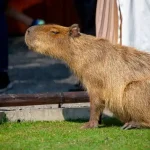
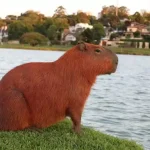
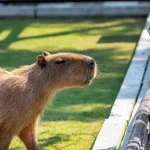
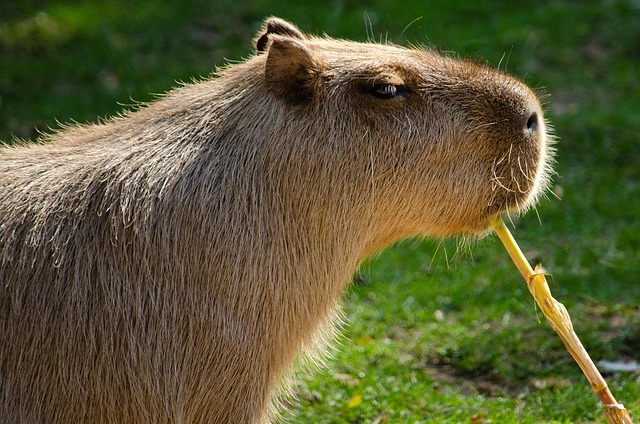
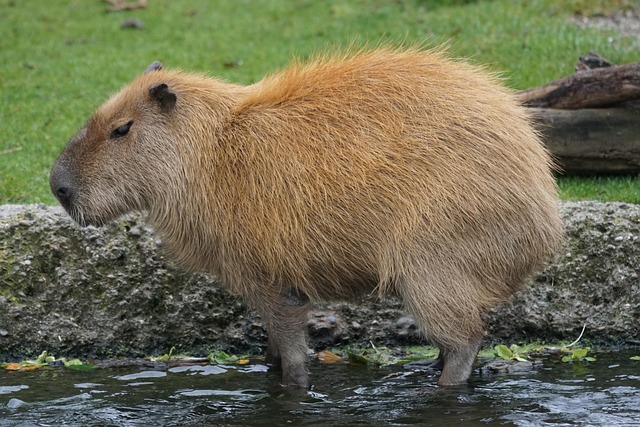
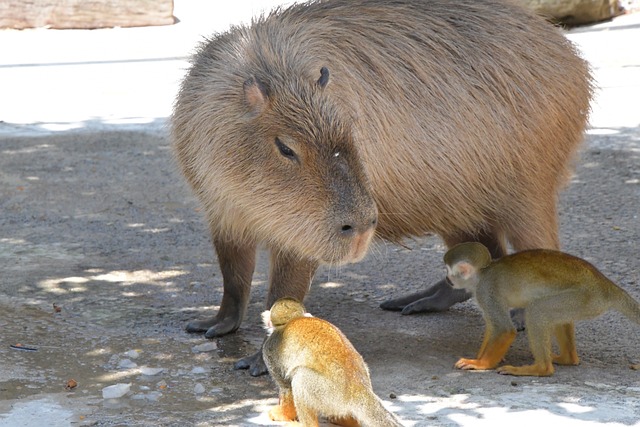
Before we get into the legal details, it’s important to understand what a capybara is. Native to South America, capybaras are the largest rodents in the world. They live in groups near water sources such as rivers and lakes. These animals are highly social, and they thrive in environments where they can interact with other capybaras or humans.
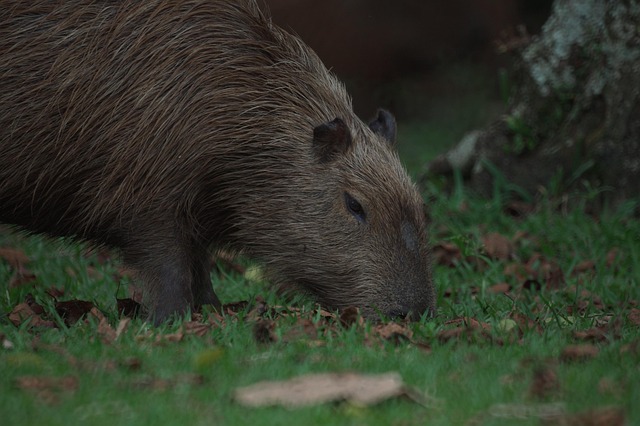
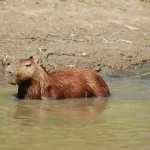
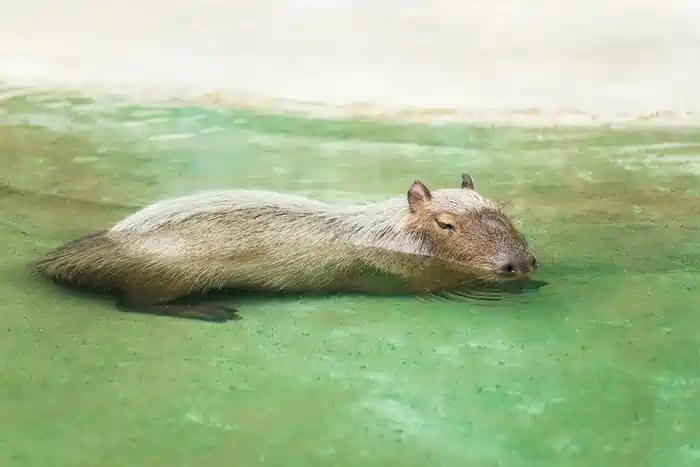
Capybaras are herbivores and primarily eat grasses, hay, and vegetables. They also love swimming and require access to water to stay healthy. While they are gentle animals, they require a lot of attention and space, which makes them more suitable for experienced pet owners with ample space for them to roam.
Can You Own a Capybara in Washington?
If you’re in Washington and are wondering whether it’s legal to own a capybara, the answer is yes, but with some conditions. Washington state allows the ownership of capybaras as long as you have the proper permits. The state requires an Exotic Animal Permit from the Washington State Department of Fish and Wildlife (WDFW). This permit is mandatory for anyone wishing to own a capybara.
Why Do You Need a Permit to Own a Capybara in Washington?
The reason why you need a permit to own a capybara in Washington is due to the animal’s status as an exotic species. Washington has laws in place to protect both wildlife and people from potential harm caused by exotic animals. These laws ensure that pet owners are well-equipped to care for these animals properly and prevent the introduction of diseases or harmful behaviors to the local ecosystem.
The Exotic Animal Permit also helps to regulate the number of capybaras in private ownership, ensuring that they are being cared for responsibly and ethically.
What Are the Requirements for Owning a Capybara in Washington?
If you want to own a capybara in Washington, there are a few requirements you must meet. The application for an Exotic Animal Permit includes several steps, and applicants must prove that they can provide the proper environment and care for the capybara.
Housing Requirements
Capybaras are large animals and need plenty of space to roam. They are not suited for apartment living or homes with small yards. You will need to have a large outdoor enclosure that provides ample room for the capybara to walk, explore, and swim. The enclosure should also be secure to prevent the capybara from escaping.
Capybaras love water, so it is essential to have a pool or pond where they can swim. They are not just land animals, and without access to water, they can become stressed or even unhealthy.
Social Interaction
Capybaras are highly social animals. They do best when kept in pairs or groups, so if you plan to own a capybara, it’s recommended to get more than one. A solitary capybara may feel lonely and stressed, which can lead to behavioral issues. If keeping more than one capybara is not an option, you will need to ensure that the capybara receives a lot of human interaction.
Diet and Care
Capybaras are herbivores, and they need a diet consisting of grasses, hay, and fresh vegetables. They also enjoy occasional fruits as treats, but these should be given in moderation. Fresh water is crucial to their health, and they need access to it at all times. As with any pet, regular veterinary care is important to ensure they stay healthy.
Veterinary Requirements
Capybaras require regular vet checkups to monitor their health. Exotic animal vets are experienced in caring for capybaras and can help with any specific health concerns they may have. Regular vet visits will also help ensure that they do not develop any health issues that could lead to long-term problems.
What Are the Benefits of Owning a Capybara?
Capybaras are unique pets, and owning one can be a rewarding experience for the right person. Here are some benefits of having a capybara as a pet:
1. Social Companionship
Capybaras are very social animals, and they enjoy the company of other animals and people. If you have more than one, they will interact with each other and form strong bonds. They can be friendly and affectionate, which makes them great companions.
2. Low Maintenance
Capybaras do not require as much maintenance as some other exotic animals. They are not as high-maintenance as, for example, reptiles or large carnivores. However, they do require a proper living space and the right diet, so owners should still be prepared to put in the necessary time and effort.
3. Peaceful and Calm
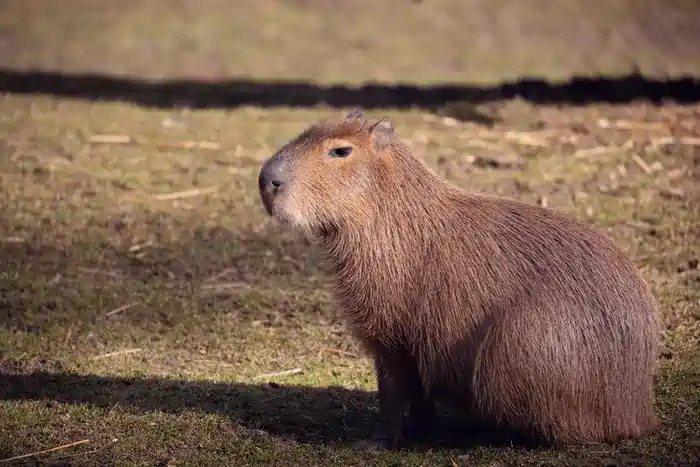
Capybaras are known for their calm and peaceful nature. They are often described as “gentle giants,” and they enjoy lounging around, eating, and swimming. Having a capybara as a pet can provide a sense of tranquility, making them great for people who want a laid-back companion.
Alternatives to Owning a Capybara in Washington
If you live in Washington but decide that owning a capybara is not the right choice for you, there are other exotic animals that may be easier to care for or better suited for your lifestyle. Some popular alternatives to capybaras include:
Guinea Pigs
Guinea pigs are small, friendly rodents that are easy to care for and can be kept in most homes. They require less space than capybaras and are perfect for people who want a smaller exotic pet. Like capybaras, guinea pigs are social animals and enjoy the company of others.
Rabbits
Rabbits are another great alternative. They are gentle, social creatures that can be kept in a large indoor or outdoor enclosure. Rabbits are also herbivores and require a diet similar to that of a capybara.
Hedgehogs
Hedgehogs are small, solitary animals that are legal to keep as pets in Washington. They don’t require as much space as capybaras and are relatively low-maintenance, making them a good option for people who want a small exotic pet.
Conclusion
Owning a capybara in Washington is possible, but it requires meeting certain requirements and obtaining the necessary permits. These animals are social, peaceful, and low-maintenance, making them great pets for the right person. If you decide that a capybara is not the right pet for you, there are many other exotic animals that may be a better fit for your lifestyle. At Capybara Pet Info, we are committed to providing helpful information about capybaras and other exotic pets to help you make the best decision for your home.
Frequently Asked Questions (FAQs)
1. Can You Own a Capybara in Washington State?
Yes, you can own a capybara in Washington, but you must obtain an Exotic Animal Permit from the Washington State Department of Fish and Wildlife.
2. What Do Capybaras Eat?
Capybaras are herbivores and eat grasses, hay, vegetables, and occasional fruits. They also need constant access to fresh water.
3. How Much Space Does a Capybara Need?
Capybaras require a large outdoor enclosure with plenty of space to roam and access to water for swimming. They should not be kept in small indoor spaces or apartments.
4. Are Capybaras Social Animals?
Yes, capybaras are highly social and should ideally be kept in pairs or groups. If only one is kept, it will need a lot of human interaction to remain happy.
5. Can Capybaras Be Kept Indoors?
Capybaras are best suited for outdoor environments. They need a large space to roam and access to water for swimming, which is hard to provide indoors.