If you’ve ever looked at a capybara lounging in the sun or calmly soaking in a hot spring, you’ve probably wondered: What do capybaras eat to stay so chill and healthy? I’ve spent a fair amount of time observing these gentle giants both in wildlife reserves and in captivity, and their eating habits are as fascinating as their personalities.
In this article, I’ll walk you through exactly what capybaras eat, based on both natural observation and scientific research. Whether you’re a curious pet owner, a biology student, or just captivated by these semi-aquatic rodents, this is your definitive guide.
Capybara Diet in the Wild
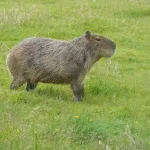
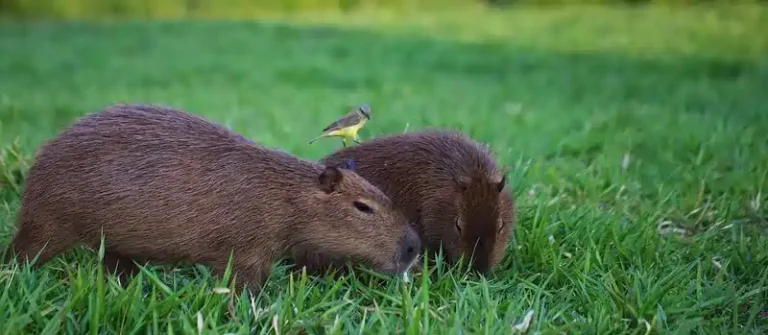
Capybaras (Hydrochoerus hydrochaeris) are native to South America and are herbivorous grazers by nature. In the wild, their diet consists mostly of:
- Grasses and aquatic plants
- Fruits and vegetables when available
- Tree bark and reeds during dry seasons
What makes them truly unique is their ability to digest tough, fibrous plants that most animals would struggle with. This is thanks to a specialized digestive system that includes microbial fermentation in the cecum—a part of the gut that helps break down cellulose.
In dry seasons, they switch to more woody vegetation and reeds. This adaptability ensures they survive even when grasses are scarce.
What Do Capybaras Eat in Captivity?
In zoos, sanctuaries, and homes (in areas where they’re legally kept as exotic pets), capybaras are given a balanced diet to replicate what they’d eat in the wild. Their meals typically include:
- Hay (timothy or orchard grass)
- Fresh vegetables like carrots, zucchini, and leafy greens
- Special herbivore pellets
- Fresh fruits in moderation (like apple slices or melons)
Keepers are careful to provide food rich in fiber and low in sugar. Overfeeding fruits can lead to digestive issues and obesity.
Capybaras also need constant access to clean water, not just for hydration but because they often feed in or near water.
Coprophagy: A Key Part of Their Digestive Process
Here’s something many people don’t know: capybaras practice coprophagy, which means they eat their own soft feces to redigest and absorb more nutrients.
This might sound unappealing, but it’s vital for them. The fibrous plants they eat are hard to digest, and this method ensures they get as much energy and nutrients from their food as possible.
This process is particularly important in the early morning hours and contributes significantly to their digestive efficiency.
Seasonal Variations in Their Diet
Capybaras change their diet slightly depending on the season:
- Wet Season: They primarily feed on lush green grasses and aquatic vegetation.
- Dry Season: When green plants are scarce, they turn to tree bark, dry grasses, and even grains if they can access them near human settlements.
Their digestive system and selective feeding behavior make them extremely resilient across seasons.
Do Capybaras Eat Meat?
Absolutely not. Capybaras are strict herbivores. Despite their rodent status, which they share with omnivorous rats and mice, capybaras do not consume any form of animal protein.
Offering meat can harm their digestive system and is considered dangerous and unethical in both domestic and zoological care settings.
What Do Baby Capybaras Eat?
Baby capybaras (called pups) start out by drinking their mother’s milk. But within a week, they begin to nibble on grasses and their mother’s feces (for gut flora development and nutrition).
By the time they are four months old, they are fully weaned and eat the same diet as adults.
This early introduction to fibrous food is essential to help them develop the bacteria they need for digestion.
What Should You Never Feed a Capybara?
If you’re ever around capybaras (especially in sanctuaries or if you’re a private owner), here are foods to avoid:
- Processed human foods (bread, chips, sweets)
- Meat or dairy products
- Citrus fruits (acidic foods can upset their gut)
- Sugary fruits in excess (can lead to obesity or diabetes)
- Foods high in oxalates like spinach (interferes with calcium absorption)
Feeding these can lead to bloating, diarrhea, or worse—organ damage.
Why a Natural Diet is Crucial
Capybaras are long-lived rodents (8–12 years in captivity) when cared for properly. A natural, high-fiber diet is crucial not only for their digestion but also for:
- Dental health: Their teeth never stop growing and must be worn down by chewing roughage.
- Mental stimulation: Foraging and grazing keeps them engaged.
- Preventing disease: Proper diet prevents obesity, liver problems, and vitamin deficiencies.
I’ve seen firsthand how capybaras with unbalanced diets develop lethargy and show signs of malnutrition, even if they’re eating “enough” food. It’s not just about what they eat, but how natural that food is.
Final Thoughts: Observing the Capybara Diet Up Close
Watching capybaras in their natural habitat is like witnessing slow, purposeful harmony. They graze calmly, chew methodically, and are remarkably selective about what they eat.
Their diet reflects their lifestyle: peaceful, balanced, and low-stress. It’s no wonder they’ve become viral symbols of relaxation on the internet.
Understanding what capybaras eat isn’t just about knowing what to feed them—it’s about respecting their natural biology and promoting their wellbeing.
If you’re planning to care for a capybara or even just admire them from afar, knowing their dietary needs is the first step toward responsible interaction.
FAQs: What People Ask About Capybara Diets
Can you feed a capybara lettuce?
Yes, but in moderation. Dark leafy greens like romaine are fine, but iceberg lettuce offers very little nutrition and can lead to loose stool.
Do capybaras eat bananas?
They can, but only as a treat. Bananas are high in sugar and should be limited to prevent obesity.
Can capybaras eat dog or cat food?
Absolutely not. Dog and cat food contains animal protein, which is inappropriate and harmful to herbivores like capybaras.
What do capybaras eat in zoos?
Most zoos provide a combination of hay, fresh vegetables, herbivore pellets, and limited fruit.
How much do capybaras eat daily?
An adult capybara can consume up to 6–8 pounds of vegetation per day, depending on the season and activity level.
Sources for Further Reading: