
Imagine lounging by your poolside with a furry friend that has webbed feet, a charming smile, and an insatiable appetite for snacks. Meet the capybara the world’s largest rodent and one of nature’s most delightful creatures! Known for their friendly demeanor and social nature, these gentle giants have captured the hearts of pet enthusiasts everywhere. But before you rush to adopt one as your new best buddy, there are some important facts to consider about ownership laws in the United States. Join us as we dive into whether you can truly welcome a capybara into your home, what it takes to care for them properly, and why they might just be the perfect addition to your family if you’re ready for this unique adventure!
Introduction to Capybaras and Their Popularity as Pets
Have you ever thought about owning an unusual pet? The capybara, known as the world’s largest rodent, has gained quite a following lately. These gentle giants are often seen lounging by the water in their native South America, but many people wonder if they can bring this unique animal into their homes here in the United States. With their friendly demeanor and sociable nature, it’s no surprise that potential pet owners find them intriguing. But before you rush out to adopt one of these adorable creatures, let’s dive deeper into what it really means to own a capybara in the US legality, care requirements, and ethical considerations included!
The Legality of Owning a Capybara in the United States
Owning a capybara in the United States is not straightforward. The legality largely depends on where you live. Some states allow ownership with little to no restrictions, while others have strict regulations or outright bans.
For instance, states like Texas and Florida tend to be more permissive. In these places, potential owners may only need to check for local ordinances before bringing home a capybara.
Conversely, certain areas such as California and New York impose significant limitations. Here, permits might be necessary or even impossible to obtain.
Before considering a capybara as a pet, it’s crucial to research your state’s specific laws. Ignoring legalities can lead to hefty fines or the forced removal of your exotic friend from your home.
State-Specific Laws and Regulations
Laws governing exotic pets vary widely across the United States. Each state has its own regulations regarding the ownership of capybaras, making it crucial for potential owners to do thorough research.
Some states permit private ownership with specific permits, while others outright ban these animals as pets. For instance, in Texas and Florida, owning a capybara is generally allowed but may require certain conditions to be met.
In contrast, places like California have stricter rules that typically prohibit capybara ownership altogether. This can lead to confusion for those interested in having one as a pet.
Additionally, municipalities within states might impose their own restrictions. Always check local ordinances before considering bringing a capybara into your home. Understanding these variations is essential for any prospective owner looking to navigate the legal landscape effectively.
Permits and Licenses Required
Owning a capybara in the United States often requires navigating a maze of permits and licenses. The specifics can vary widely by state, so it’s essential to do thorough research.
In some states, you may need a special wildlife permit or exotic pet license. These documents help ensure that owners meet certain standards for care and housing.
The application process might include background checks or inspections of your living space to confirm it’s suitable for these large rodents. In certain areas, local ordinances could impose additional requirements.
Failing to obtain the necessary permits can lead to hefty fines or even confiscation of your pet. Always check with your state’s fish and wildlife agency before making any decisions about bringing a capybara home.
Reasons for Restrictions on Owning Capybaras in the US
Capybaras are fascinating creatures that thrive in specific environments. Their natural habitat includes wetlands and lush grasslands, which is far from the average home setup. This mismatch can lead to serious welfare concerns.
Additionally, capybaras can exhibit unpredictable behaviors. As social animals, they require companionship; without it, they may become stressed or aggressive. These traits raise potential risks to public safety.
Moreover, wild animals like capybaras often bring unforeseen challenges for owners who lack experience with exotic pets. Misunderstanding their needs can result in neglect or behavioral issues.
Lastly, regulatory bodies aim to protect both wildlife and human communities by imposing restrictions on ownership. Such measures help ensure that these unique animals remain safe and healthy while preventing negative interactions with humans.
Capybara’s Natural Habitat and Behavior
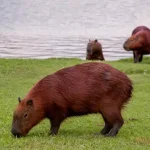
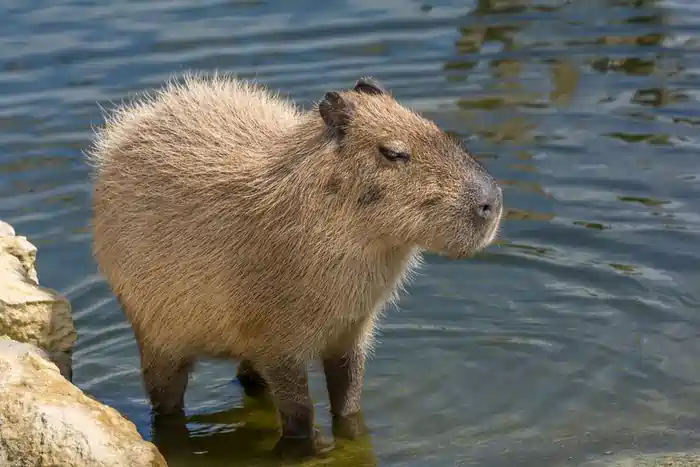
Capybaras are native to the wetlands of South America, thriving in environments like rivers, lakes, and swamps. They are semi-aquatic mammals that love water, often seen lounging or swimming.
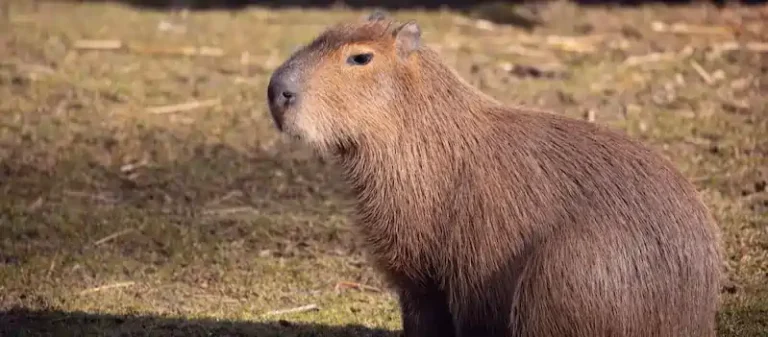
These gentle giants can weigh up to 150 pounds and reach about four feet in length. Their social nature means they live in groups, usually consisting of ten to twenty individuals. This pack mentality helps protect them from predators.
Their herbivorous diet primarily consists of grasses and aquatic plants. Capybaras spend a significant portion of their day grazing.
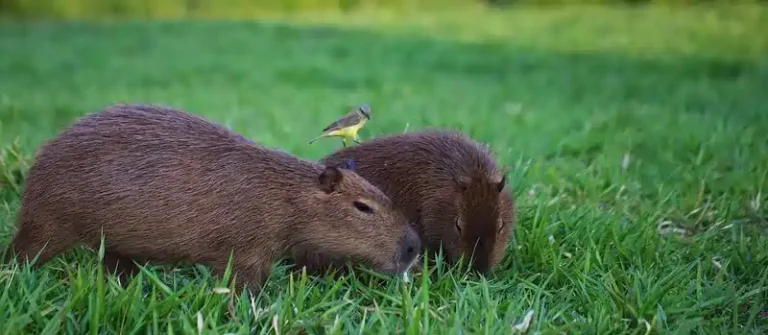
In the wild, capybaras are known for their calm demeanor and friendly interactions with other species. You’ll even find them sharing space with birds or monkeys. This unique behavior is part of what makes them so captivating but also highlights their specific social needs when considering life as a pet.
Potential Risks to Public Safety
Capybaras, while generally docile, can pose risks to public safety. Their size and strength mean they are capable of causing harm if threatened or provoked.
These large rodents have strong teeth that can inflict serious bites. This is particularly concerning in environments where they interact with untrained individuals or children.
Additionally, capybaras may carry zoonotic diseases, which can be transmitted to humans and pets. Such health concerns raise alarms for potential owners and communities alike.
Their presence as exotic animals could lead to unexpected situations in neighborhoods or parks. Not everyone understands how to properly handle these creatures, increasing the risk of accidents.
Finally, their ability to escape from enclosures creates further complications for local wildlife and ecosystems if they establish feral populations outside their native range.
Challenges of Owning a Capybara as a Pet
Owning a capybara comes with unique challenges that potential pet owners should consider. First and foremost, these social creatures require ample space to roam and play. A small apartment or yard simply won’t cut it.
Housing is another critical factor. Capybaras thrive in environments that mimic their natural habitat, often needing access to water for swimming. Without the right setup, they can become stressed or unhappy.
Diet is also specialized. Capybaras are herbivores, needing a balanced diet rich in grasses and vegetables. This can demand both time and effort from owners who must source appropriate food consistently.
Moreover, the costs of care add up quickly vet visits, proper housing supplies, and dietary needs can strain budgets unexpectedly. It’s essential to be prepared for these ongoing expenses before considering bringing one into your home.
Housing and Space Requirements
Housing a capybara isn’t as simple as finding any corner of your home. These social creatures require ample space to roam, play, and feel secure. Ideally, they thrive in large enclosures that mimic their natural habitat.
A minimum outdoor area of 100 square feet per capybara is recommended. This allows them room to explore and engage in their curious behavior. Many owners opt for fenced yards or pens with grass and shallow water features.
Inside your home, they need a designated zone where they can retreat when feeling overwhelmed. Soft bedding materials like hay or straw help create a comfortable environment.
Remember, capybaras are social animals too! They flourish best when kept in pairs or small groups. Be prepared to accommodate more than one if you want happy pets who interact naturally with each other.
Diet and Specialized Care Needs
Capybaras have specific dietary needs that require careful attention. They primarily graze on grasses and aquatic plants in the wild. If you consider one as a pet, you’ll need to replicate this diet adequately.
Fresh hay should be a staple in their meals. Timothy or orchard grass is ideal for maintaining their digestive health. Supplementing with fresh vegetables can provide essential nutrients too, but avoid starchy options like corn.
Hydration plays a crucial role as well. Capybaras need access to clean water at all times, preferably in a large bowl they can comfortably dip into.
Additionally, regular check-ups with an exotic vet are vital to monitor their health and adapt their diet accordingly. Remember, these social animals thrive best when receiving proper care tailored specifically for them.
Cost Considerations
Owning a capybara can be more expensive than many anticipate. Initial costs include the purchase price, which can range from $1,000 to $3,000 depending on the source and breed.
Ongoing expenses add up quickly. This includes specialized food, bedding materials, and veterinary care tailored to their unique needs. Regular check-ups with exotic animal veterinarians might not come cheap.
Space is another factor that influences cost. A suitable outdoor enclosure must be built or purchased to provide them with ample room for exercise and social interaction.
Insurance policies may also vary based on state regulations regarding exotic pets. Homeowners’ insurance could increase if you own one of these animals.
These financial commitments are essential considerations before deciding whether a capybara fits into your lifestyle and budget.
Ethical Concerns Surrounding the Exotic Pet Trade and Capybara Ownership
The exotic pet trade raises significant ethical concerns, particularly when it comes to capybaras. These social creatures thrive in the wild, where they roam freely and live in family groups. Taking them out of their natural habitat disrupts their instincts and behaviors.
over animal welfare. This can lead to poor living conditions for these animals before they reach potential owners.
Furthermore, improper care can result in health issues for both the capybara and its owner. The lack of understanding about their needs often leads to abandonment or neglect.
Supporting the exotic pet industry also fuels a demand that harms wildlife populations globally. By choosing not to own a capybara as a pet, individuals contribute to protecting these remarkable animals and preserving their natural habitats instead.
Alternatives to Owning a Capybara as a Pet
If you’re drawn to the charm of capybaras but hesitant about ownership, consider visiting wildlife sanctuaries or parks. These places often allow you to see these fascinating creatures up close.
Many sanctuaries offer educational programs and guided tours where you can learn more about their natural behavior and habitat. It’s a great way to appreciate them without the responsibilities of pet ownership.
Another option is volunteering at local animal rescues that focus on exotic animals. This hands-on experience can deepen your understanding while contributing positively to the welfare of these animals.
You might also explore interactive experiences like “meet-and-greet” events hosted by specialized farms or zoos. Engaging with capybaras in a controlled environment provides joy without long-term commitment.
These alternatives let you enjoy the unique qualities of capybaras while respecting their needs as wild animals.
Visiting Sanctuaries or Wildlife Parks to Observe Them
If you’re captivated by the idea of having a capybara as a pet but find that ownership is filled with legal, ethical, and practical challenges, there are still ways to appreciate these charming creatures. Visiting sanctuaries or wildlife parks allows you to observe capybaras in their natural habitat while supporting conservation efforts.
Many facilities offer guided tours where you can learn about their behavior and social needs from knowledgeable staff. This experience can be incredibly rewarding without the responsibilities associated with pet ownership. It also provides an opportunity to see how they interact with each other in groups, showcasing their gregarious nature.
By engaging with these animals in a sanctuary setting, you contribute to their well-being and help raise awareness about proper care for exotic pets. So if you’ve ever wondered whether you could own a capybara in the United States, remember there’s always an alternative way to enjoy watching them thrive in environments suited just for them.
Frequently Asked Questions (FAQ’s) about Owning a Capybara in the United States
Is it legal to own a capybara in the United States?
The answer to this question is not straightforward, as different states and cities have their own laws and regulations regarding exotic animal ownership. In some states, such as Texas and Pennsylvania, it is legal to own a capybara with proper permits and licenses. However, in other states like California and New York, they are prohibited as pets.
What kind of living space do capybaras require?
As semi-aquatic animals, capybaras need access to water for swimming and cooling off during hot weather. Ideally, they should have a large outdoor enclosure with both land and water areas. The minimum recommended size for one adult capybara is 20 feet by 40 feet.
Do I need any special permits or licenses to keep a capybara as a pet?
Yes, most states that allow the ownership of capybaras require an exotic animal permit or license. These are usually obtained through state wildlife agencies or local authorities.
Can I keep more than one capybara at a time?
Capybaras are social animals and thrive in groups, so it is recommended to keep them in pairs or small groups if possible. However, it is important to introduce them carefully and provide enough space for each individual.
What kind of veterinary care do they require?
Like any pet animal, regular check-ups by a veterinarian are necessary for maintaining your capybara’s health. It is also essential to find a vet who has experience with exotic animals.
Are capybaras dangerous?
Capybaras are generally docile and non-aggressive animals. However, they do have sharp teeth and can bite if they feel threatened or stressed. It is important to socialize them properly and handle them with care to prevent any potential attacks.
How much does it cost to own a capybara?
The initial cost of purchasing a capybara can range from $500-$1000, depending on the breeder or seller. Additionally, expenses for proper housing, food, veterinary care, and permits should also be taken into consideration.
Can I keep a capybara in my home like other domestic pets?
Due to their size and unique needs, capybaras are not suitable as indoor pets. They require ample space to roam and access to water for swimming, which cannot be provided in a typical household setting.